


New domain, who dis?
Yes, if you clicked through the email, you have probably noticed that In Reel Deep has a new resting place. Steve and I got tired of paying for two domains, but we haven’t lost our zeal for cinema or listmaking.
So, here we are, with another top 10 list—our 12th together if we’ve got the count right. It was a pretty amazing year for the watchers, even if the bean-counters tell us things are increasingly bleak for the industry as a whole. Here are 16 films we loved from the year that was.
The Top Four
Black Bag
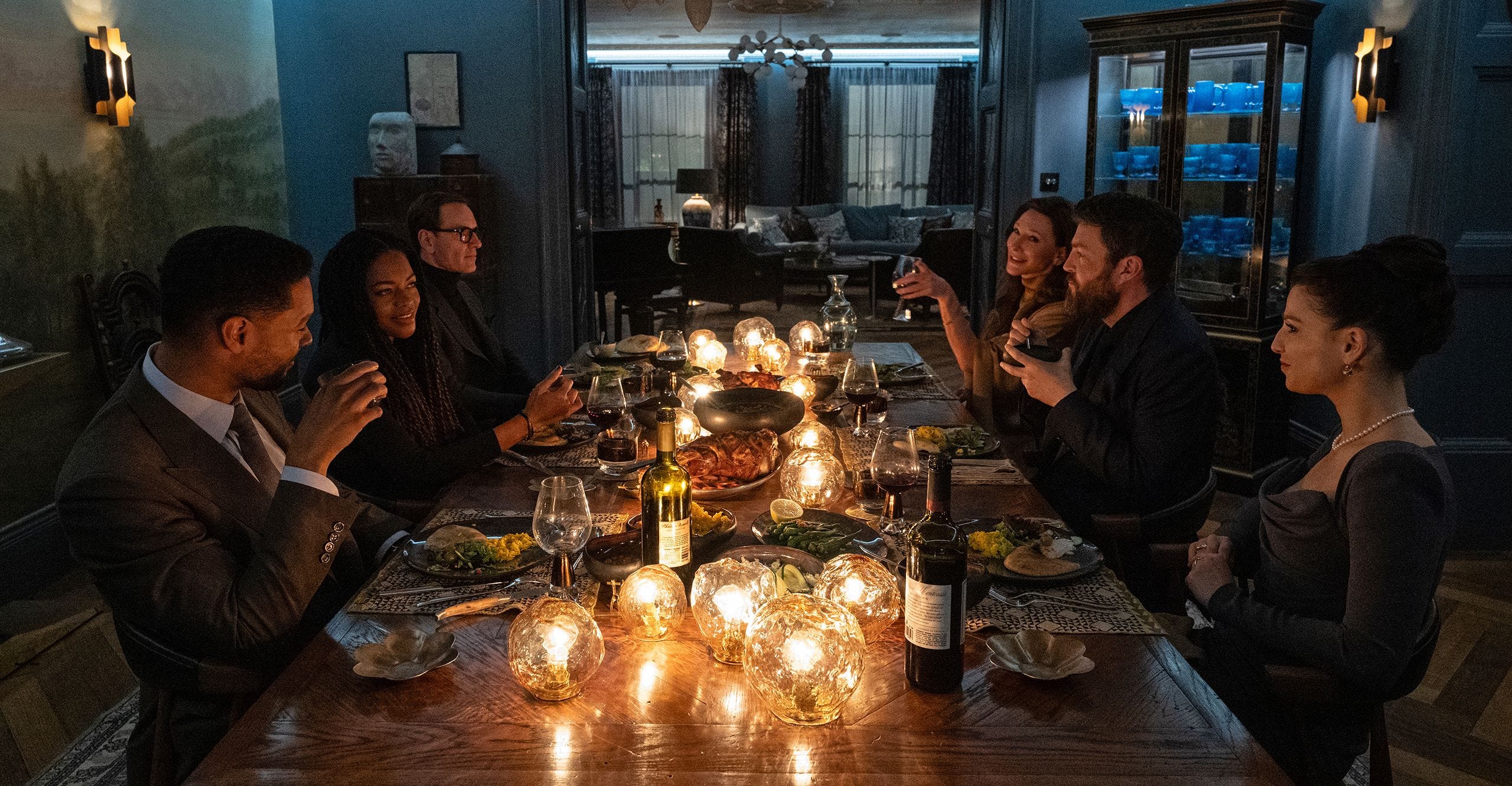
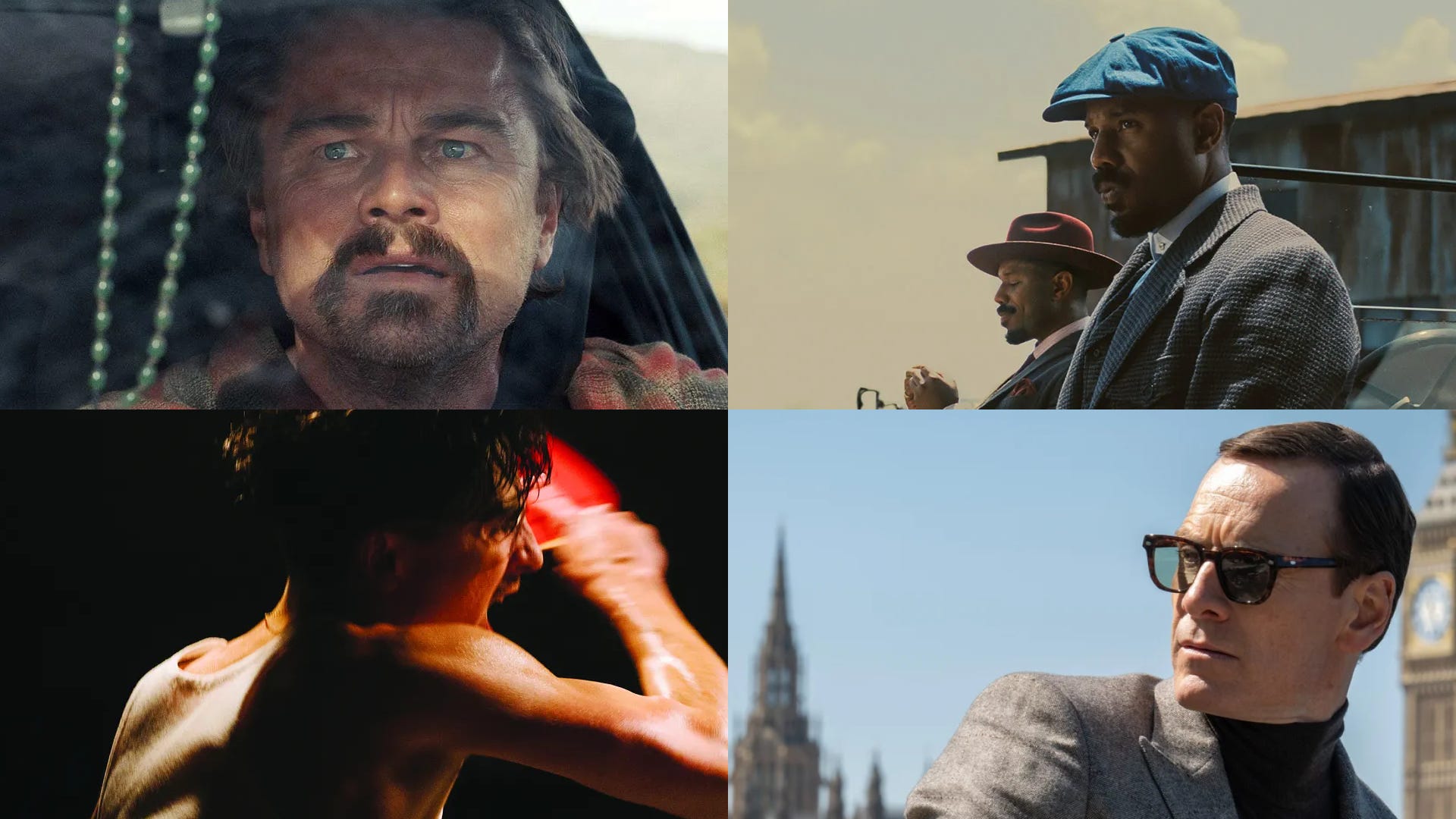
Andrew Johnson: One thing that happens a few times a year right now if you’re a middle-aged cinephile, is that you watch a movie and are reminded they barely make anything explicitly and exclusively for adults anymore. Black Bag was one of those reminders. It might even be the rarest variety, for surely we get 10 or 20 adult comedies for every erotic thriller. Fewer still are the erotic thrillers that are actually good, as Black Bag is. Michael Fassbender and Cate Blanchett are the biggest reasons for this, but it’s not just the sexual tension between them that accounts for it all. It’s the perfectly manicured and tight-fitting suits and cocktail dresses, the hot and cold tones of their home and the office, respectively, and terseness with which they are able to express fierceness without a voice ever being raised. The sexy vibe is the thing—one that leaves you thinking of a lot of other similar movies with a spy veneer that forgot those vibes and, in so doing, suffered.
Steve Cimino: Andrew mentioned Fassbender and Blanchett, and it’s delightful watching Fassy be a devoted Wife Guy. But Black Bag is really a six-hander; you’ve got Tom Burke, who is quietly having quite a moment with this and Furiosa. You’ve got Marisa Abela, who is fantastic on HBO’s Industry and a huge amount of fun here as well. And you’ve got the always reliable Naomie Harris and the unhealthily handsome Regé-Jean Page. When Pierce Brosnan is the weak link, you’re doing something right. Thank god Steven Soderbergh un-retired and—as Andrew said—continues to make high-end movies for grownups.
Marty Supreme

AJ: Timothee Chalamet’s Marty Mauser is a manic inversion of the Walter White types that have dominated television and movies for two decades. His deep flaws are immediately apparent. He happily admits that he is out for himself, and will cut just about any corner or screw over just about anyone to make his name. But by the end of Marty Supreme he is overcome by the wreckage left in his wake. In other words, director Josh Safdie made one that celebrates the try-hards. Marty Mauser is an asshole, but he isn’t cynical or ironically detached, or working through some private shame about who he is. He is, to put it another way, genuine even as he lies and fucks his way around Manhattan, London, and, finally, Japan. To put it another way still, he is a breath of fresh air. It’s quite something to make a statement about authenticity through a character that is defined as much by his dishonesty as by the way he plays ping pong.
SC: I think Uncut Gems is a masterpiece, and Marty Supreme is not quite Uncut Gems. It’s Josh Safdie grafting his anxiety-inducing, shithead-centric style onto a sports film, albeit with a scene where concentration camp occupants lick honey off of one of their own. Chalamet throws himself into the titular role with his usual vigor and doesn’t shy away from the annoying side of being a self-centered force of nature. It’s also clear that Josh got custody of the Safdie weirdos in the divorce; you can have The Rock and Emily Blunt, Benny, we’ll take George “The Iceman” Gervin and (sigh) Kevin O’Leary. Shave 20 minutes and this rises to the five-star level.
One Battle After Another
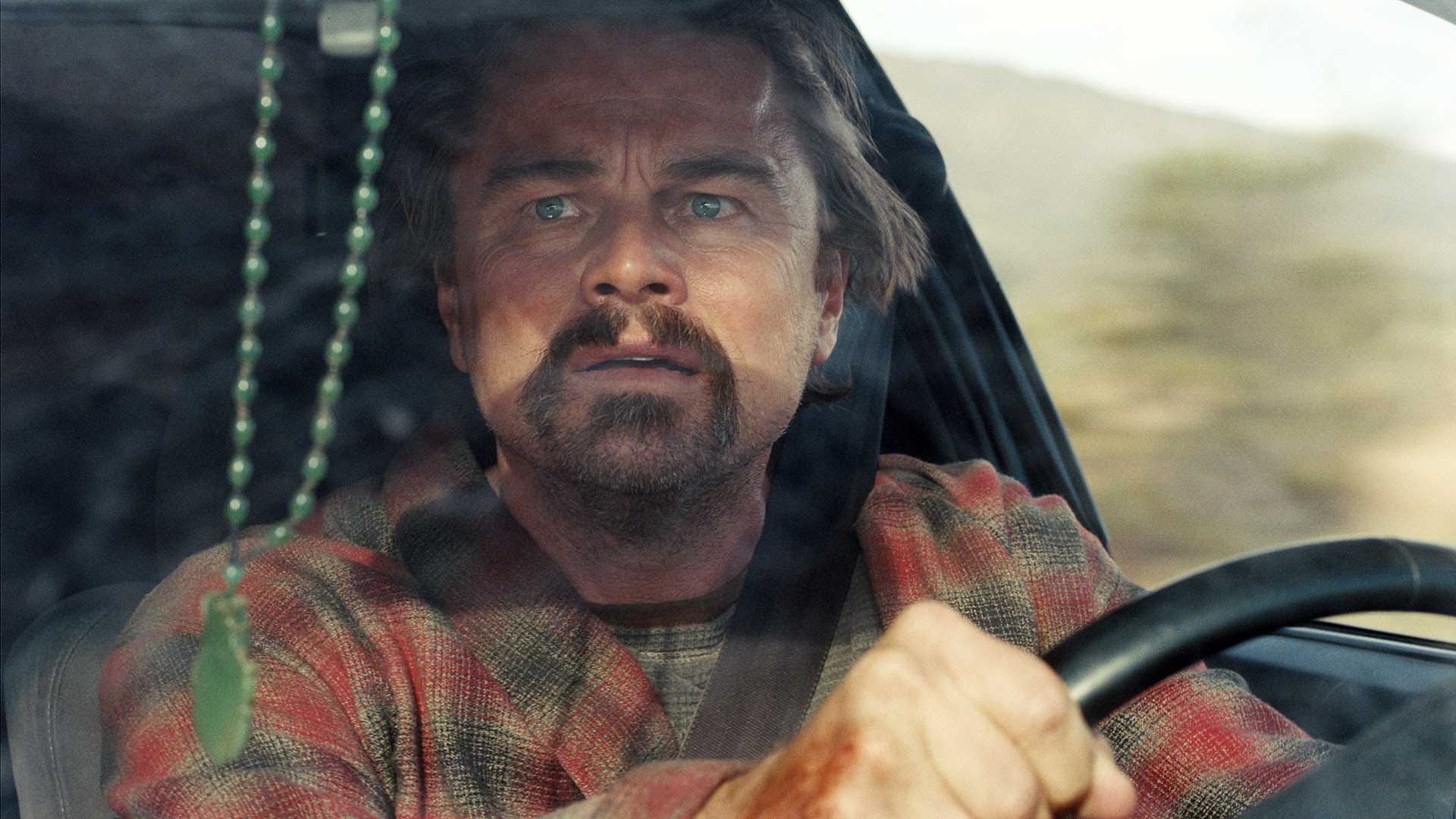
AJ: I’m going to sidestep the roiling debate about where this film might fit in the 21st-century canon—overhyped, underhyped, masterpiece, whatever—and instead focus on what I think will always land about this film even when this particular political moment passes. For me, that is the paranoia and exhaustion of Leonardo DiCaprio’s Bob Ferguson—a guy who has walked away from his notions of changing the world to instead devote himself to raising a decent human. In most ways, I am nothing like Bob Ferguson, but I do understand how precious a child you have raised in to a semi-competent human is—how much you want for them and what you’d be willing to do to secure and protect their chance at a chance. We’ve all been through a lot, us parents, but we all have a lot more get through, and director Paul Thomas Anderson gets that perfectly here.
SC: And I will not sidestep anything; this is a modern classic, a truly propulsive motion picture that speaks to the moment and entertains at the same time. The way Jonny Greenwood’s score undercuts the intensity just enough, the incredible performances by almost everyone but especially James Raterman as Greg Bovino Jr., and of course the grand finale drive through the mountains that made everyone realize there were new ways to shoot a car chase. Paul Thomas Anderson has long been a director for film boys (and girls!) whose movies often broke into the zeitgeist long after their release (Boogie Nights, There Will Be Blood, even Phantom Thread). But now is his time and place, and he’ll deserve all the little gold men he racks up on March 15.
Sinners
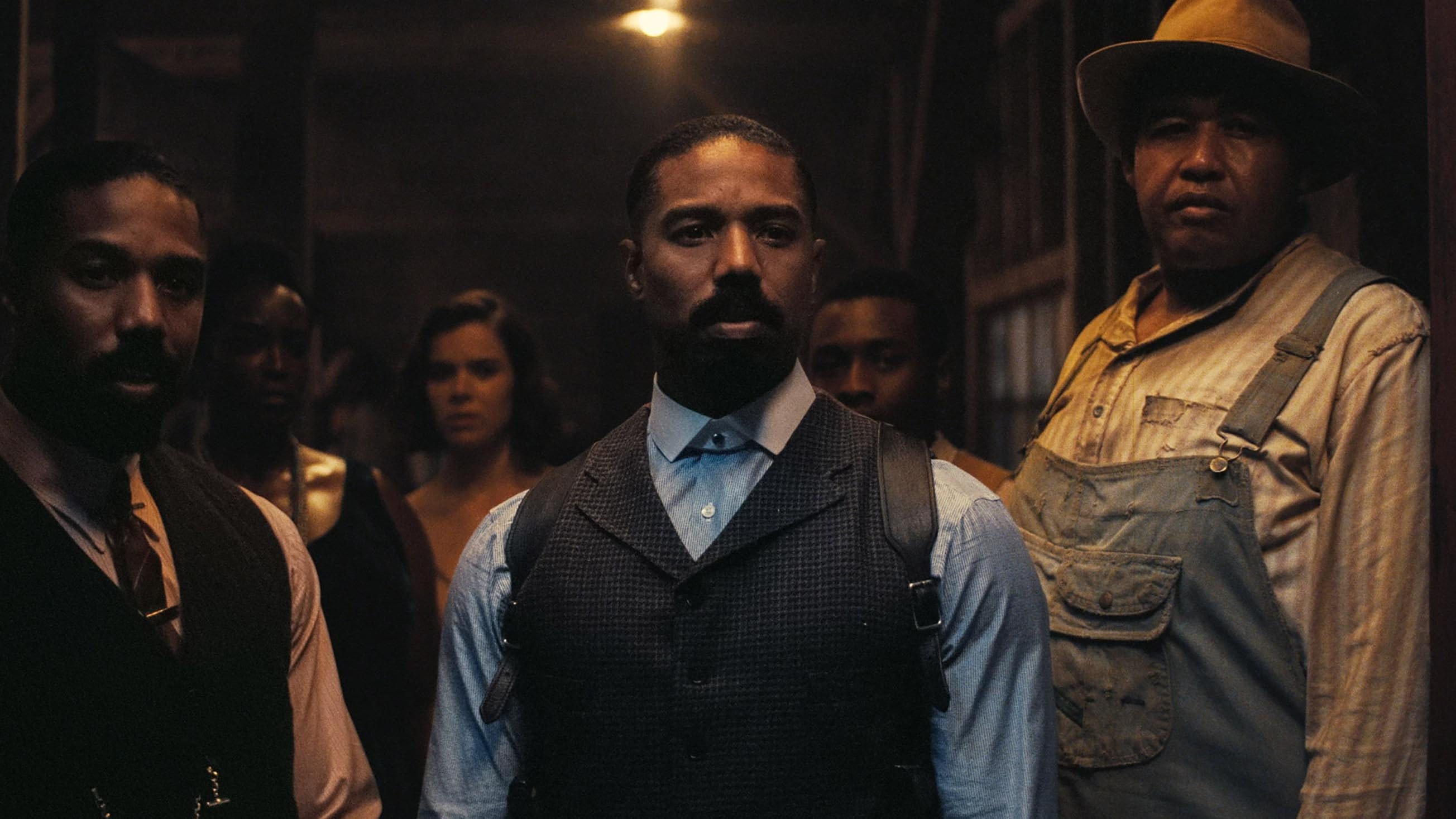
AJ: At this point, we have to show up whenever Ryan Coogler and Michael B. Jordan are together again. Sinners gives us twice the Jordan in that sense, with him cast as twin brothers, and perhaps that multiplying effect is the best way to interpret and absorb this film, which is at once about vampires and the blues and the long legacy of race relations in the Jim Crow South that extend to the here and now. Sinners is well in keeping with Coogler’s quite accessible sensibilities. It is, after all, another genre flick, following on from Creed and Black Panther. At the same time, this is the most ambitious of the bunch. It swings bigger thematically than anything he has done since Fruitvale Station, while managing to be just as fun as his more mainstream fare.
SC: Just an incredible theater watch. All the music, the extended history-spanning dance sequence, Jack O’Connell and his vampire friends doing an Irish jig in between hunting their victims. Andrew and I love Creed and think Michael B. should’ve been nominated years ago, but it’s fitting that he and Coogler break through in the same year. And let’s hear it for Delroy Lindo, another actor we love who deserved a nomination (if not a win) for Spike Lee’s Da 5 Bloods. Now he finally has one, in somewhat of a surprise, for a true phenomenon that is unapologetically Black but truly spoke to everyone. Nobody does that quite like Coogler, capturing his own experience and his research into Black history and translating it into scintillating moviemaking. He won’t win Best Director, but he’s undoubtedly one of our best.
The Best of the Rest
28 Years Later
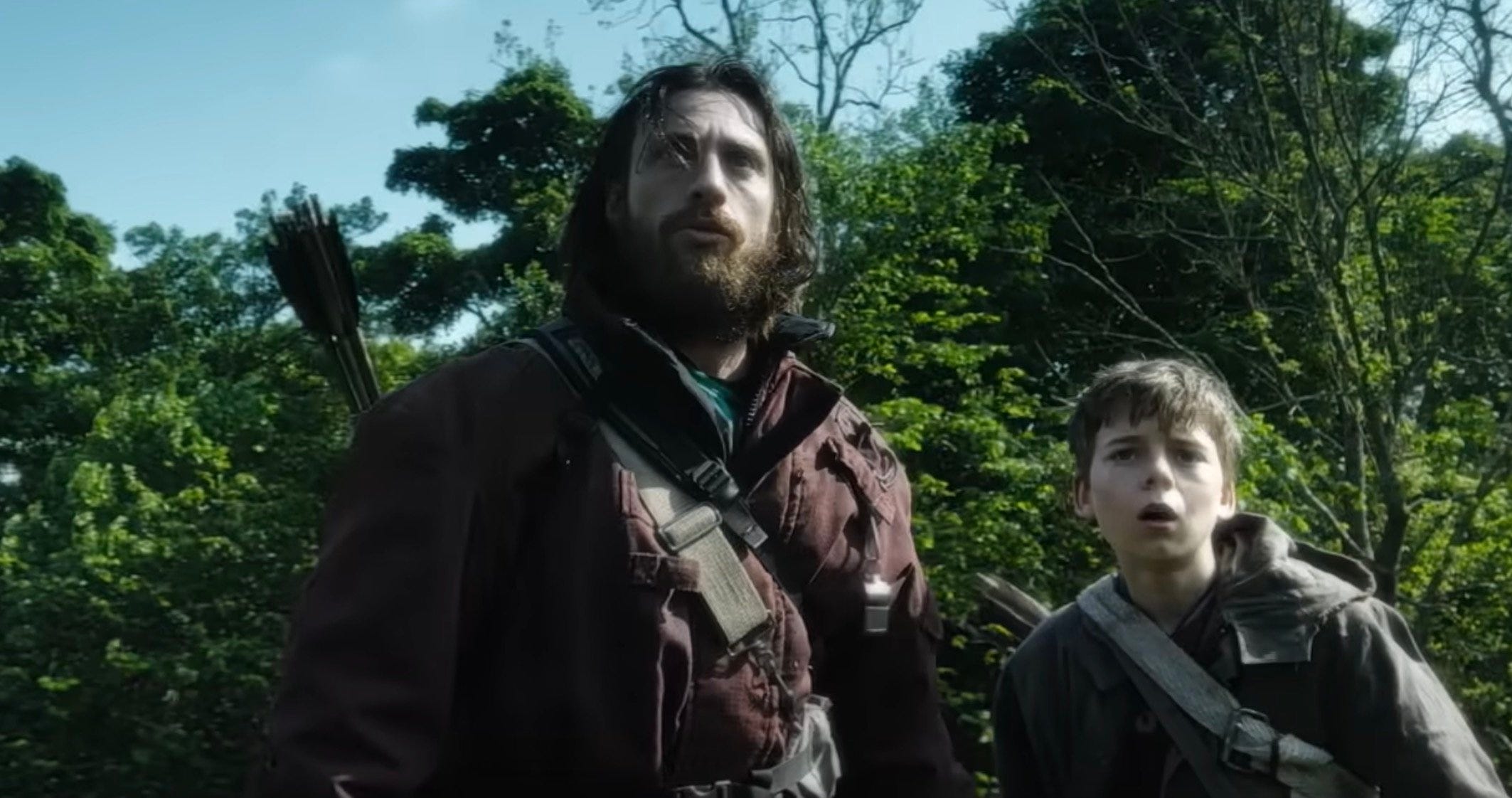
AJ: In 28 Days Later, Danny Boyle terrified us well before a speedy zombie flashed on screen by presenting a plausible vision of what complete societal collapse might look like, and how quickly it could come about. There is Cillian Murphy caught on the surveillance cameras still in central London, the wide shots displaying both the deafening silence of a suddenly empty city and the pace at which it happened, what with the crashed cars and the piles of barely rotting trash that remain. Civilization always hangs by a thread. 28 Years Later arrives as a sort-of mirror image of this. It switches a grainy, dawn-of-digital feel for something more pastoral, idyllic, natural, and creepily tradwife. This vibe is undercut by the story that unfolds, and the plot is a key juxtaposition because as safe as things might look, reality inevitably overwhelms. Lindisfarne—connected to the mainland of the United Kingdom only by a footbridge that can be crossed only at low tide—looks like the ideal place to shut out the world and ride out a long storm. But this delusion is a grave error. There is nowhere that is safe forever from an existential threat. Avoiding it is ultimately impossible and makes you more vulnerable in the process. Yet again, this is a frightening vision of the future—one that tells us that our problems don’t end with a Black Swan event. They are just beginning. Sounds familiar.
After the Hunt
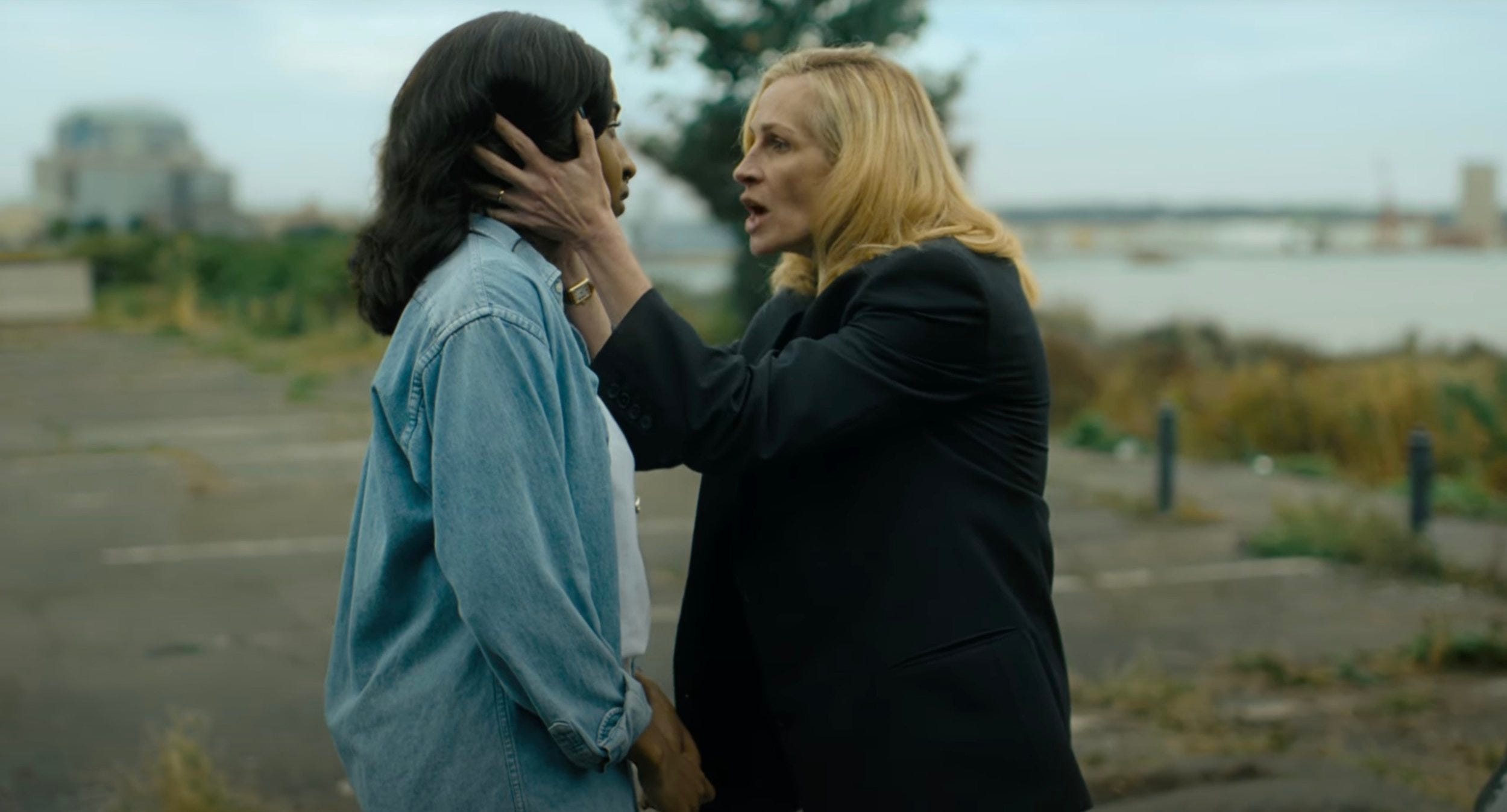
AJ: For most of its runtime, After the Hunt is carried, clumsily, by its sterling cast—Andrew Garfield, Michael Stuhlbarg, Ayo Edebiri, and an elderly stateswoman-like Julia Roberts. It is a melodrama, but a high-gloss one set against the backdrop of the racial and gender politics of the late 2010s, which is all to say it holds your attention. Its final scene takes it to another level. Roberts and Edibiri are five years’ removed from the melodrama that turned them in to adversaries at Yale. They meet up for a drink, and it quickly becomes clear that both have benefitted materially from what seemed at the time to be certain personal and professional ruin. They exchange genuine pleasantries—a jarring development given what has occurred between them—and in so doing reveal a deep, dark, disturbing cynicism. Clumsy as it all is, Luca Guadagnino is making a statement here about the (ongoing) damage done by elites. Really, it is an indictment, and a damning one at that.
Blue Moon
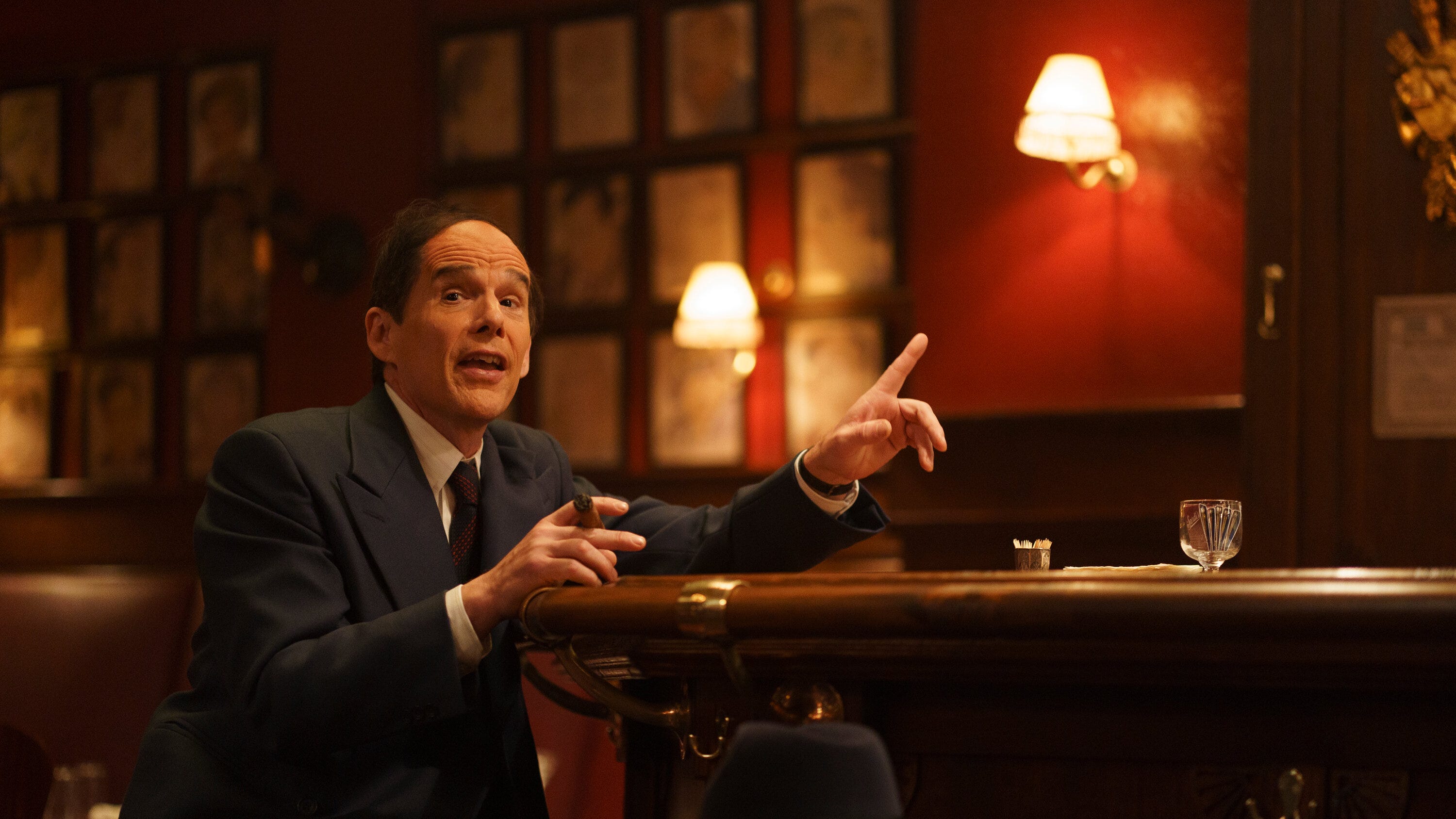
SC: This felt like “the little movie that could” when I saw it and now it has two Oscar nominations, for screenplay and Ethan Hawke’s incredible performance. I have never seen Oklahoma! and have very little knowledge of musical theater, but I love Hawke and I like Richard Linklater and—even though I’ve seen very few actual plays—I love movies that are framed like them. Hawke’s Lorenz Hart is one of the most endearing sad sacks you’ve ever met; you can feel the desperation in all his witty rejoinders, in the way he hopelessly stares at Margaret Qualley’s Elizabeth as she’s going on about her love life, which he claims to want to be a part of despite clearly being a semi-closeted gay man. All this, plus Bobby Cannvale hangin’ behind the bar serving drinks and bantering with Hart in between soul-crushing conversations; cue the Al Pacino “what a picture” meme.
Bugonia
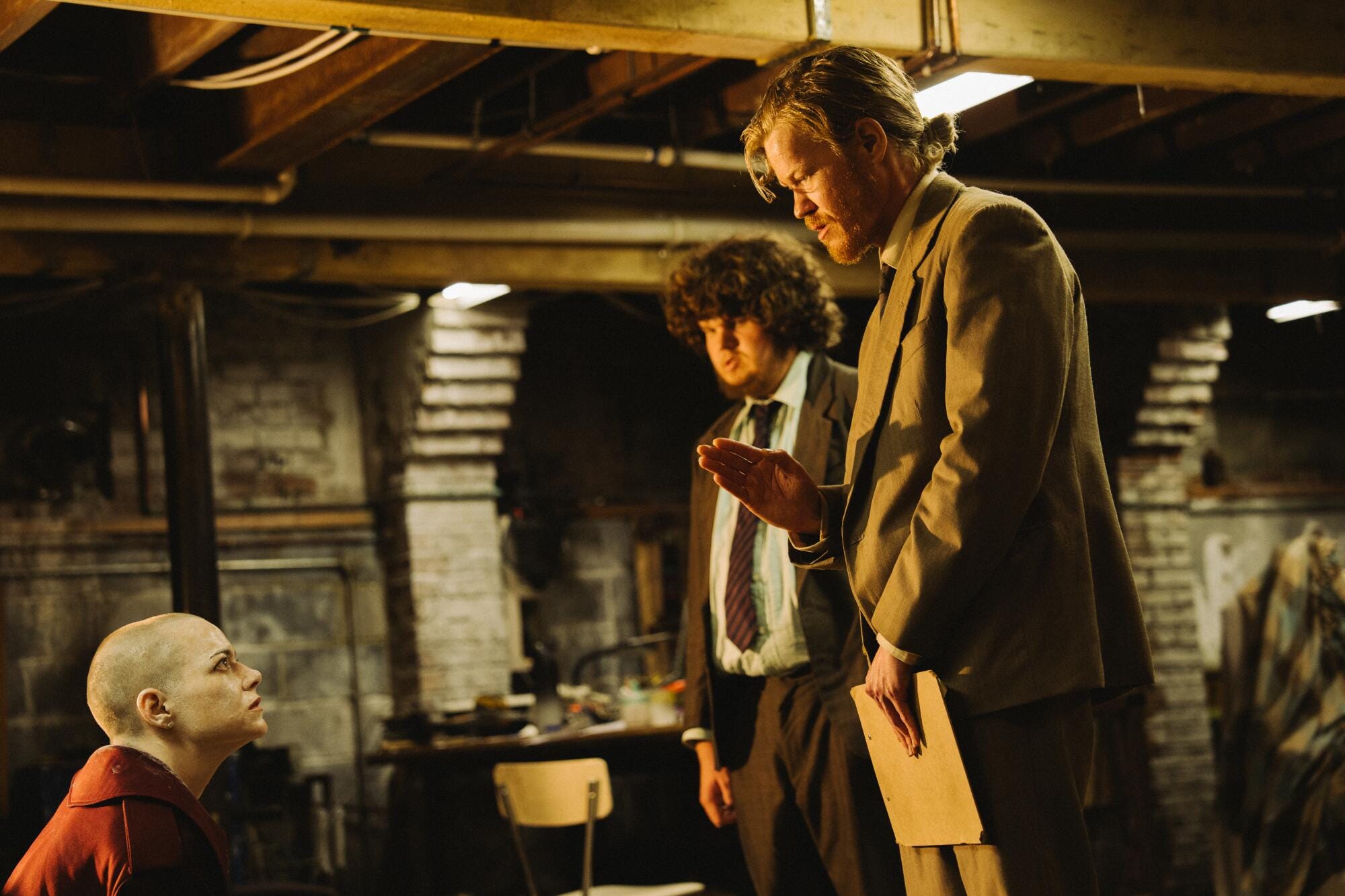
AJ: One way to explain why so many of the worst of the worst people in this country—and by that I mean tech CEOs—are so obsessed with jumping in rockets and leaving the planet is that they might be literal aliens. They certainly lack humanity. Anyway, director Yorgos Lanthimos makes that notion quite literal in Bugonia, although he doesn’t really reveal it until the very end. I found that revelation to be a bit of a pulled punch, but in the end it didn’t really take away from the sociopathic desperation of Emma Stone or the pathetic, galaxy-brain rantings of a grief-stricken Jesse Plemons. The performances of these two make this one the year’s best, no matter what you think of that ending.
Highest 2 Lowest
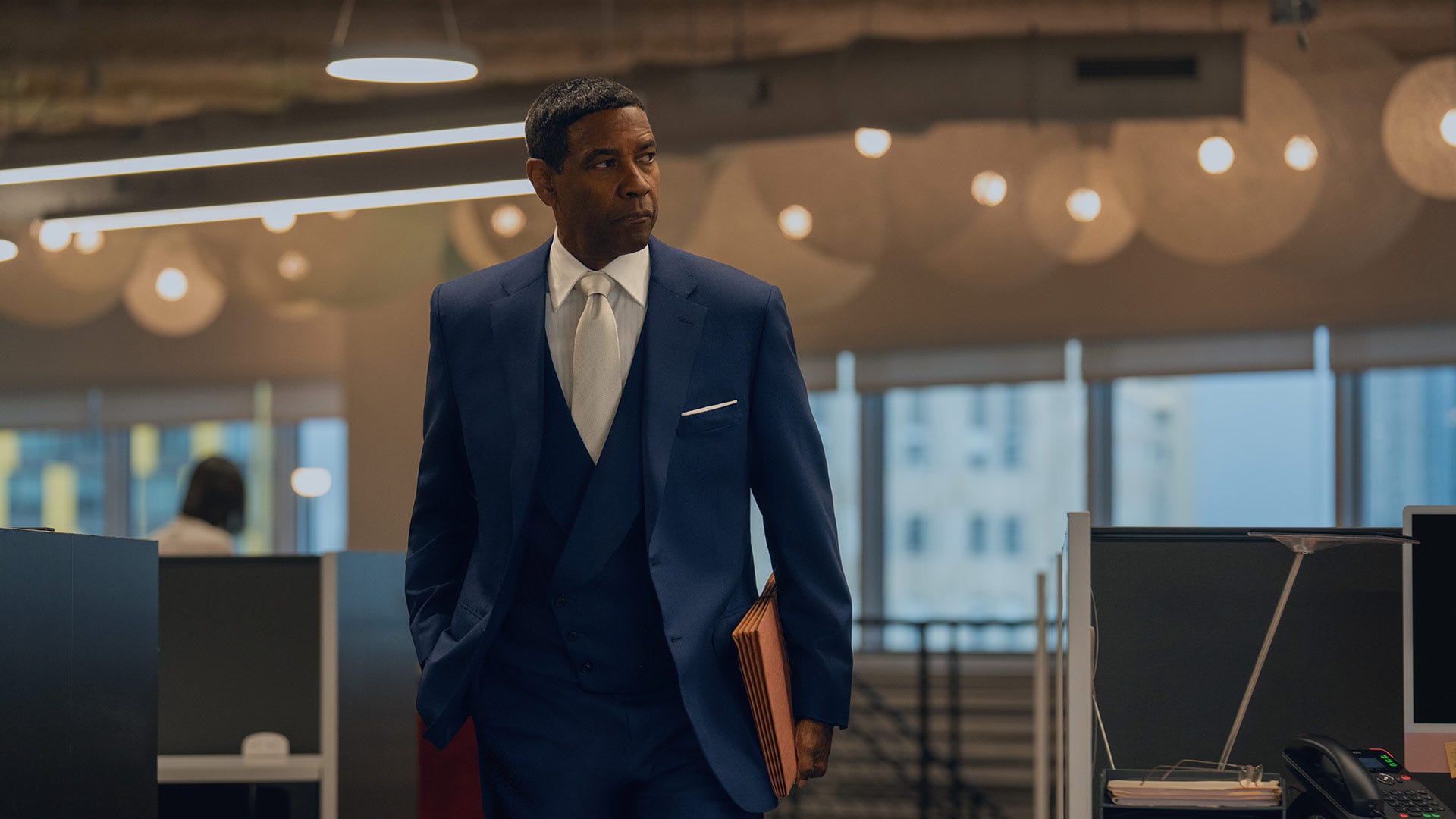
AJ: No need to overcomplicate the analysis here: Spike Lee collaborating with Denzel Washington is still must-see viewing. This time around, Spike and Denzel offer us a meditation on the complications that come with success in a creative field—the ever-present temptation to compromise what brought you to this point, to trade what made you for security and comfort. There are times in Highest 2 Lowest when this is made a bit too explicit by the mechanics of the story and the way the characters talk about the predicament in which they find themselves. Ride it out. Enjoy the opportunity to see Denzel carry another quintessentially New York Spike Lee vehicle. Who knows how many times we’ll get this opportunity again.
It Was Just An Accident

SC: It’s a shame that this didn’t sneak into the Best Picture top 10; when it comes to filmmaking the word “brave” gets thrown around too often, but It Was Just An Accident is the genuine article. Writer-director Jafar Pahani has previously been imprisoned for speaking out against the Iranian government, and this is a searing statement about a cowardly, torture-happy regime and the cost of standing up to tyranny. That said, it’s neither hopeless nor overly grim; it’s got team-up energy, as a group of survivors with differing personalities discuss what to do after capturing what seems to be their former oppressor. Panahi has plenty to say but he’s telling a story, not preaching, and his work is all the better for it.
The Life of Chuck
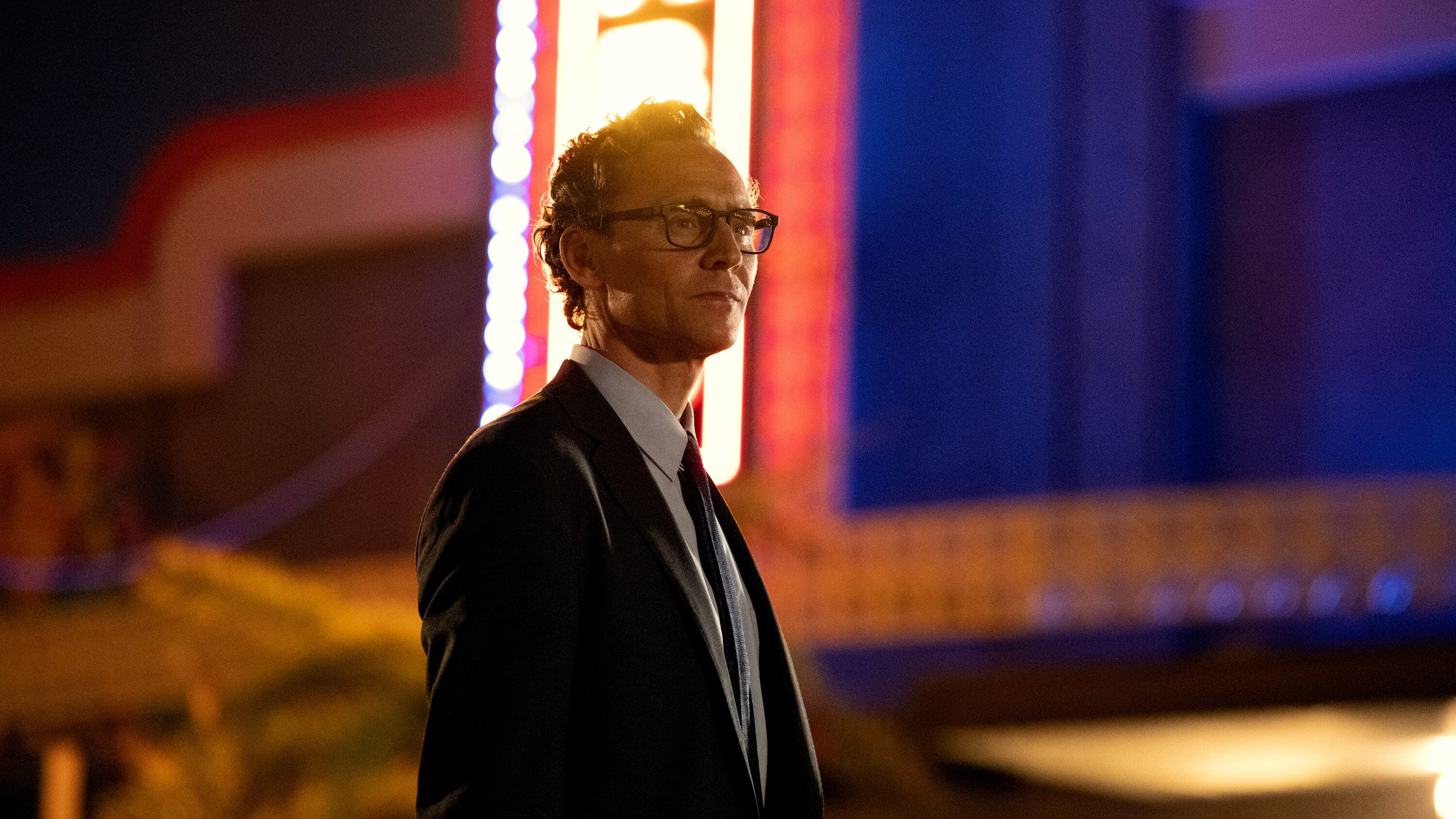
SC: According to Letterboxd, this is one of the year’s most polarizing movies, which is another way to say that my brother and I liked it and everyone else hated it. I see their point; after the bravura opening act, which I would argue is near-perfect in creating both anticipation and dread, the rest is inevitably a letdown. It doesn’t help that Tom Hiddleston, the titular Chuck and front-facing in all the marketing, is around for only 15 minutes (but what a 15!) and the rest hinges on how much you like hearing Mark Hamill say “Chucko.” But I still love it; from Chiwetel Ejiofor and Matthew Lillard to Mia Sara and Karen Gillan, everyone maximizes their limited screen time and brings an admittedly shaky overarching idea to life. Mike Flanagan’s films are much less beloved than his Netflix miniserieses, possibly because he wears his heart on his sleeve, but I think we could use a little more of that these days.
Nouvelle Vague

AJ: Much like Marty Supreme, Nouvelle Vague centers itself on a protagonist from several decades ago who is unconventional and driven and fucking real—oozing modernity and, in the process, crying out to us here in our post-modern world. The similarities kind of end there. The great film critic and Breathless director Jean-Luc Godard is not presented as a rapscallion, like Marty Mauser. Instead he has unconventional—almost unbelievable—methods that manage to work. Director Richard Linklater constructs a vision and version of Godard that seems designed to build up your cynicism initially, what with the sunglasses that never come off and the hyperbolic protestations about the meaning of art and cinema, and then chips away at it through the shoot of Breathless. You end up disarmed by the apparent pretension of French New Wave—unable to discount its authenticity, even if it’s not your particular bag.
The Secret Agent
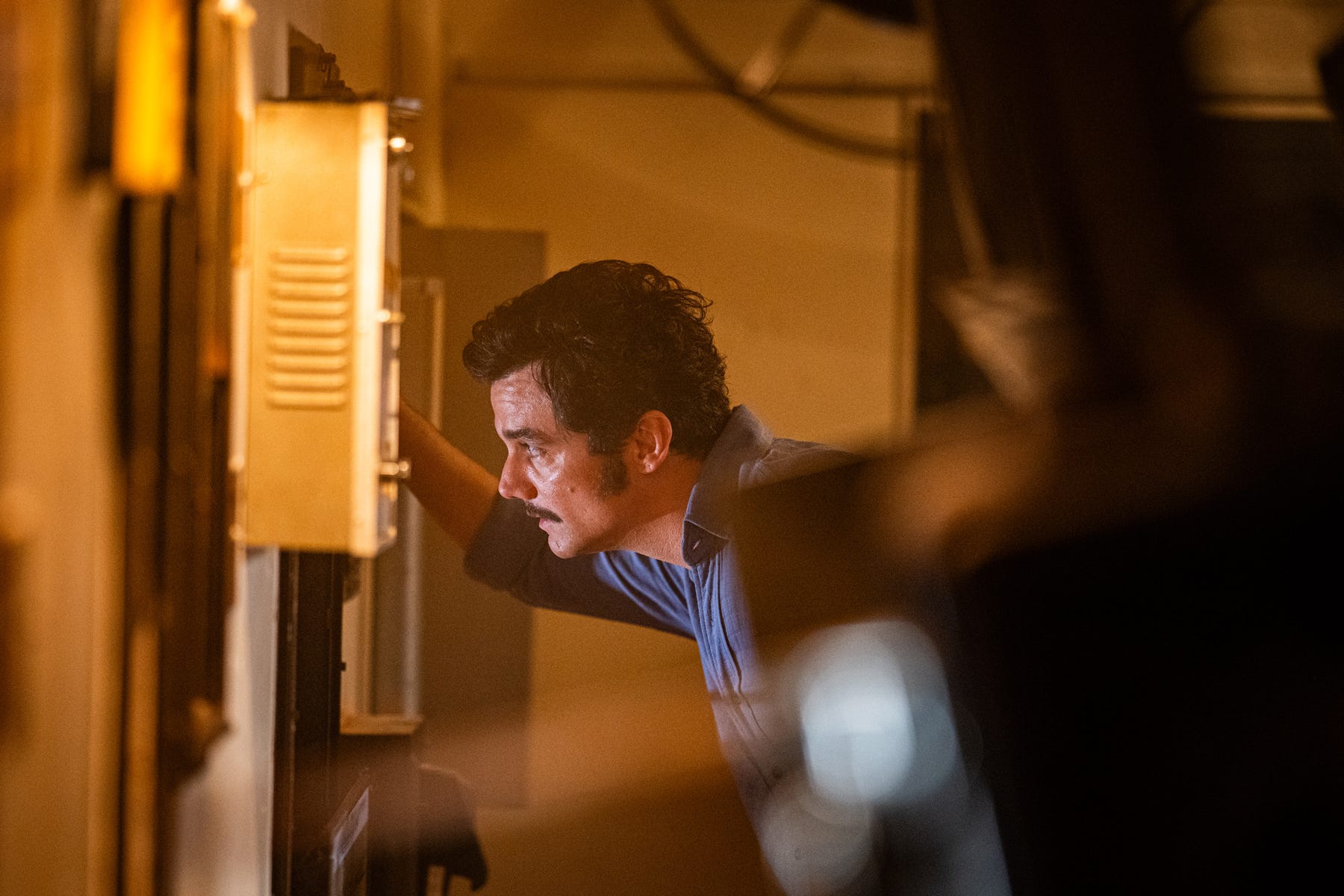
SC: The movie most worthy of this classic Simpsons meme. I went into Secret Agent not knowing much beyond “Wagner Moura is very handsome with a beard” and “I loved Kleber Mendonça Filho’s last film, Bacarau.” I also enjoyed his in-between documentary, Pictures of Ghosts, which Secret Agent is fully in conversation with. It’s about political unrest in 1970s Brazil, with Moura as a professor who unwittingly becomes associated with the resistance and marked for death. If that sounds straightforward, I promise you the movie is not; at one point, a severed leg (found in a shark’s mouth) starts attacking gay men out cruising at night, which is then covered prominently in the local papers. Is it a metaphor for all the puffed-up stories planted to cover up deeper corruption? Probably, but we certainly see a first-person leg attack. Filho loves being strange and messy, weaving a complicated web and understanding that his films don’t have to make perfect sense to mean something.
Train Dreams
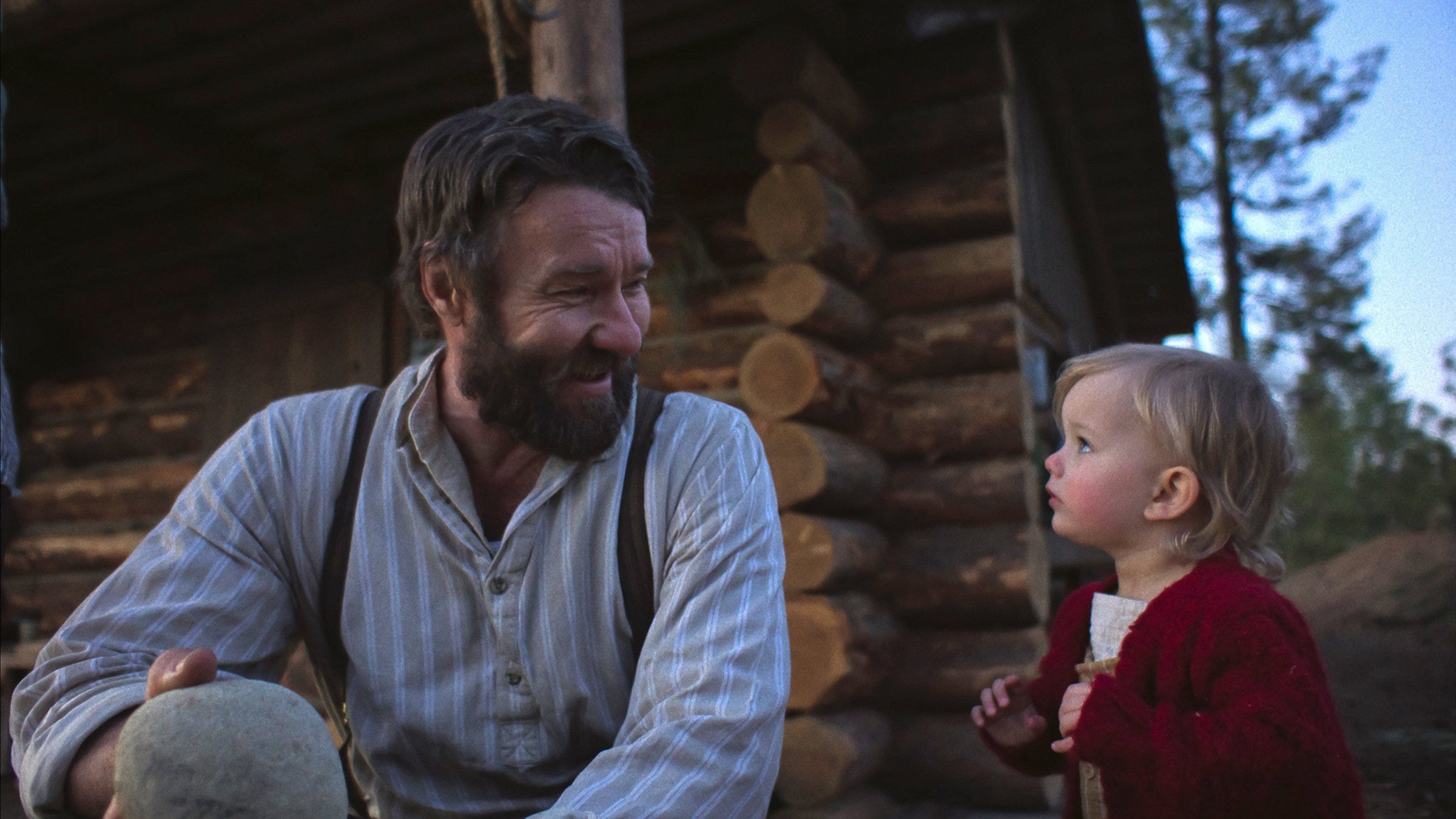
SC: Train Dreams has a lot of mumbling in the woods. Joel Edgerton is murmuring, William H. Macy (now with brand-new beard!) is murmuring, the trees are swaying in the wind. It’s a dreamy, Malick-ian journey through the life of Edgerton’s Robert Grainier as he loves and loses and tries to find purpose in the forests of Idaho. And it’s one of the rare examples of a Netflix acquisition that I think helped the movie; I saw it in theaters and I wish others could’ve done the same, but I think it got eyeballs and recognition via the streaming service that it wouldn’t have found as yet another high-quality indie dropped quietly into 800 theaters. So hooray, Netflix; you have a use beyond letting me catch up on Den of Thieves 2: Pantera.
Warfare
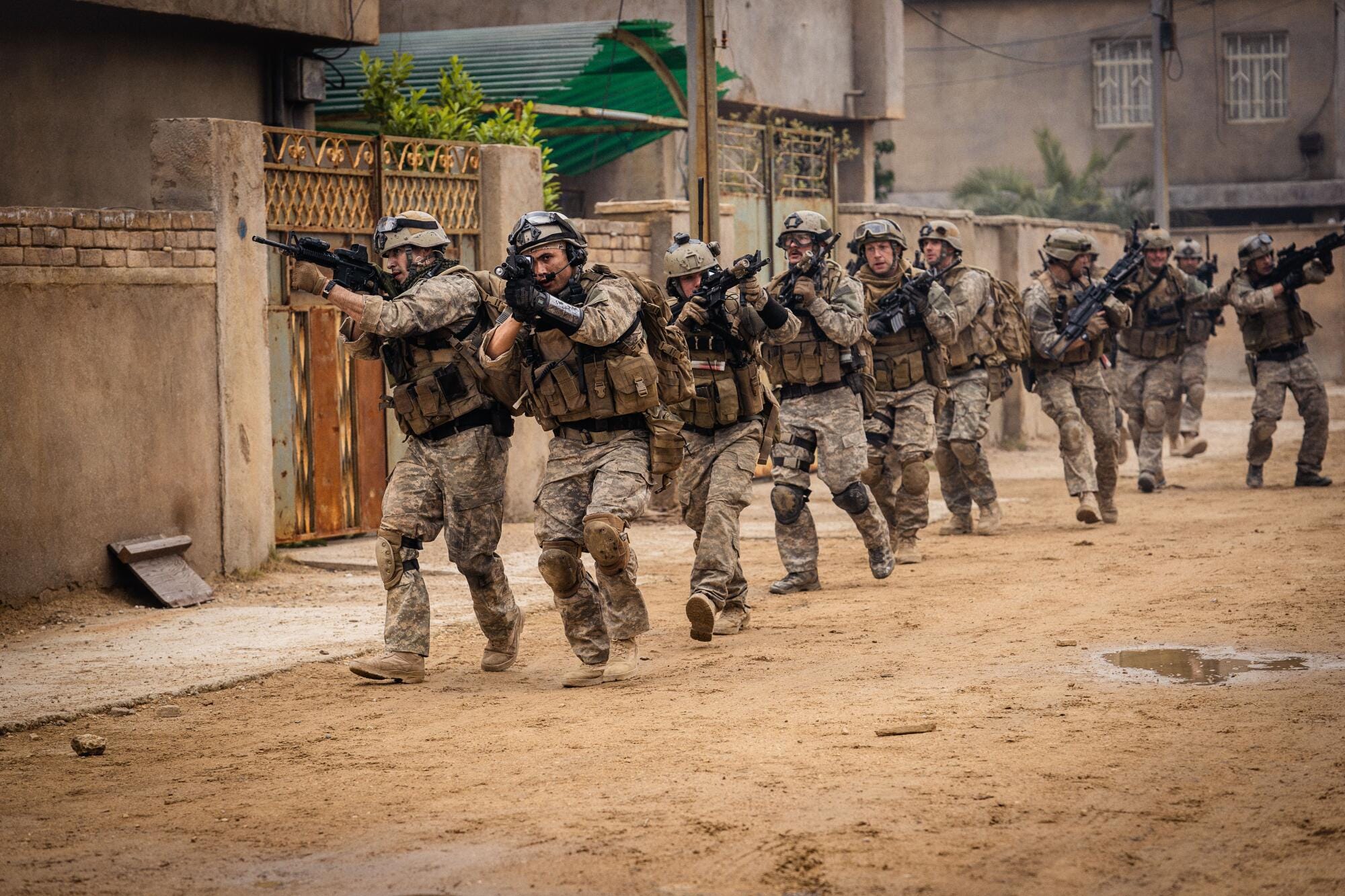
AJ: For most of its runtime, Warfare is a cinema verite-style snapshot of one of America’s many foreign misadventures. Told essentially in real time as a stranded platoon awaits backup in insurgent-ridden territory in Iraq, it is largely swimming in the familiar waters tread by everything from Black Hawk Down to Lone Survivor to the likes of The Hurt Locker and American Sniper. It is a harrowing and tension-filled experience, although not exactly a new one, at least until the haunting final shot. The dust has quite literally settled. It is quiet—more noticeably so after the preceding 90ish minutes of anguish and blood and rat-a-tat-tat of gunfire. Things seem almost improbably normal. But the power lines are askew. There are still streaks of blood in the sand. Everyone seems to be trying to move along despite the fact that everything is just a bit off.
Weapons

SC: It’s odd, it’s clunky, it bounces between being on-the-nose and esoteric. But it also has some of the most off-putting moments I’ve ever seen, including Benedict Wong’s Marcus headbutting his lover to death. I had a deep, disgusted reaction to that scene that wouldn’t go away, which I imagine is what writer-director Zach Cregger was looking for. He wants the audience to know in a few short moments that Amy Madigan’s Gladys is unstoppable once her unexplained magic has you in its grasp. You’ll hurt yourself, you’ll hurt the people you love; there’s no coming back. A lot of the “answers” in Weapons don’t really make sense, at least once you remove them from the context of the movie, but Cregger keeps it moving at such a brisk, entertaining pace that it didn’t bother me in the least. I laughed, I cringed, I had a wild, unpredictable time at the movies.