


A few hours ago, I got an email from Disney+ letting me know that Moana had hit streaming. What a perfect microcosm for how strange and kind of awful everything feels right now.
The 2026 version of Moana is one of those live-action remakes Disney has jammed down our throats for most of the 21st century, only it’s a remake of an actually good version of the film that was a bit of a revelation just 10 years ago. There was a sequel everyone has already forgotten about. Many of the voice actors from the first, animated version of the film are spry enough to actually act in this abomination, including Dwayne “The Rock” Johnson.
The original Moana is slightly younger than my pre-pubescent, fifth-grade daughter, which feels weird because most of these remakes were at least of films made before I was even born.
I haven’t seen this copy-of-a-copy cash grab by Disney, but I’m going to guess it sucks because the mere fact of its existence signals taking all of the fun out of something that was truly delightful. Forget being blown away by the new music. Forget wondering how those magicians in Burbank made the ocean look so real. Forget the sight gags that only animation can deliver. This is a thing because Disney can’t seem to think of anything that’s actually new and interesting, an epidemic in the Fortune 500 set. Disney, it seems, is dying a creative death before our very eyes—one rehash or extension of its existing intellectual property at a time.
Its stock, by the way, seems to be doing fine. I checked. It doesn’t have the up-and-to-the-right trajectory of, say, a Silicon Valley hyperscaler, but, much like one of those companies, its valuation seems to be decoupled from whether it’s really adding anything new to the world.
In the case of the 2026 Moana, Disney has certainly shown it, too, can incinerate piles of cash on something that won’t be remotely close to profitable this year.
Anyway …
Some weeks ago Steve Cimino sent me an interview in WIRED that covered, in part, how AI is being used in Hollywood. It does a nice job of, among other things, delineating between practical AI use cases that apply to the industry.
MATTHEW BELLONI: Well, there's two types of AI, as you know. There's generative AI, which is content creation and things like that, and then there's what I refer to as the corporate AI, like streamlining processes and better search results. Obviously, on the second one, everyone is using it.
…
That's one side. Then the other side is generative and how this is making content. There it's a little murkier, because there are a lot of studios that are purporting to create AI-generated movies, shorts, TV pilots. I've seen a lot of them. They're not great. They're better in animation, and I think this is where we're going to see the disruption first, but you can always kinda tell, and that's the problem when you're trying to relate to people. I can't wait to see what Elon's historically accurate version of The Odyssey looks like.
That’s right, Matthew Belloni. They really aren’t great. I don’t think they ever will be. The reasons why amount to a whole separate post, but, in short, the AI that we have is not suited to creativity or breaking convention or doing anything but finding a probabilistic middle. This is a great skill for certain things, but not for movies or probably anything where part of the whole point and most of the awe is centered on the human frailty behind some creation.
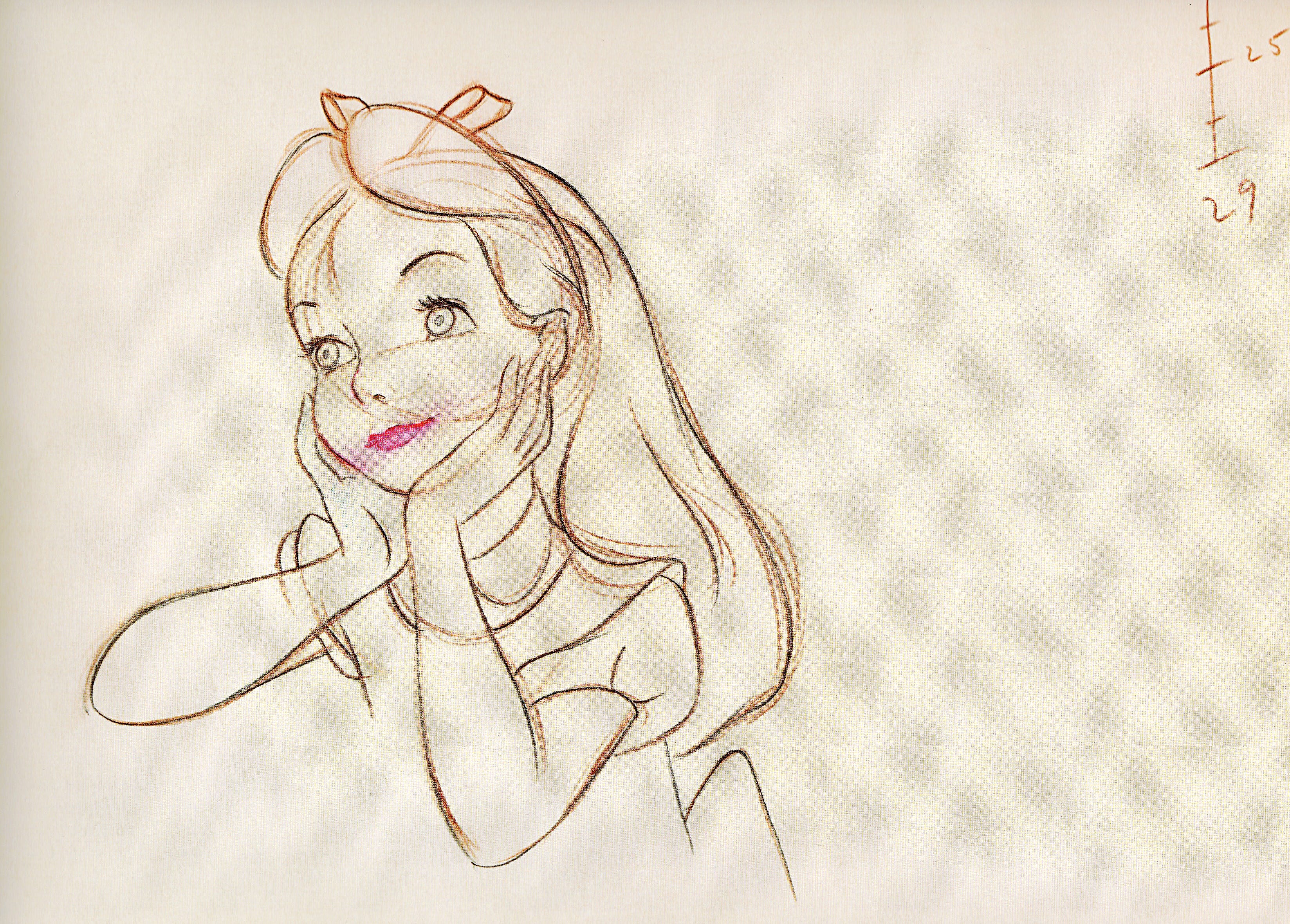
Its clear—even now—that people can sniff out this stuff and that, at least in the realm of creativity, they will reject it en masse. All of which is why if Disney wanted to take a step toward regaining its mojo, it would end its unofficial moratorium on hand-drawn animated films, put one in to production, and then a few years from now, when we’re even more exhausted by all of the mindless, hollow flotsam and jetsam around, make a very large sum of money via its breath of fresh air.
Belloni cites animation as one of the filmmaking disciplines most under threat from generative AI. But later in the interview, he hones in on why I think anything demonstrably and clearly human—and what’s more human than something drawn by hand—will have growing commercial appeal:
AI is gonna be everywhere on social media, and you know better than anyone that the tech companies are going all in on it, and you’re not gonna be able to distinguish what’s real and what’s not real online.
So in the future, if you watch a movie like The Odyssey and you see dolphins coming out of the water, you’re gonna think that’s real if the studios manage that right. And it was real in that movie. They happened to shoot on a day when dolphins were beside the boat, and they got a great shot of dolphins jumping up out of the water.
And that to me is the differentiator that the Hollywood studios still have, and I would hope that they won’t squander it in pursuit of lowering costs.
There isn’t much about the future I am certain of, but one thing is the notion that being able to trust that a piece of art was actually made by humans is only going to help the commercial value of that piece of art, to say nothing of what it does for our own sense of humanity.
Art isn’t going to save us, but it is important. I’ll cover that in an upcoming essay on Digger. In the meantime, I’ll leave you with the idea that what we are coming to terms with right now is just how important who (or what) made the art is going to become.